- Footpaths
- Pedestrians
- Accountability
When Footpaths Become Storage Spaces: The Cost of Losing Walkable Streets
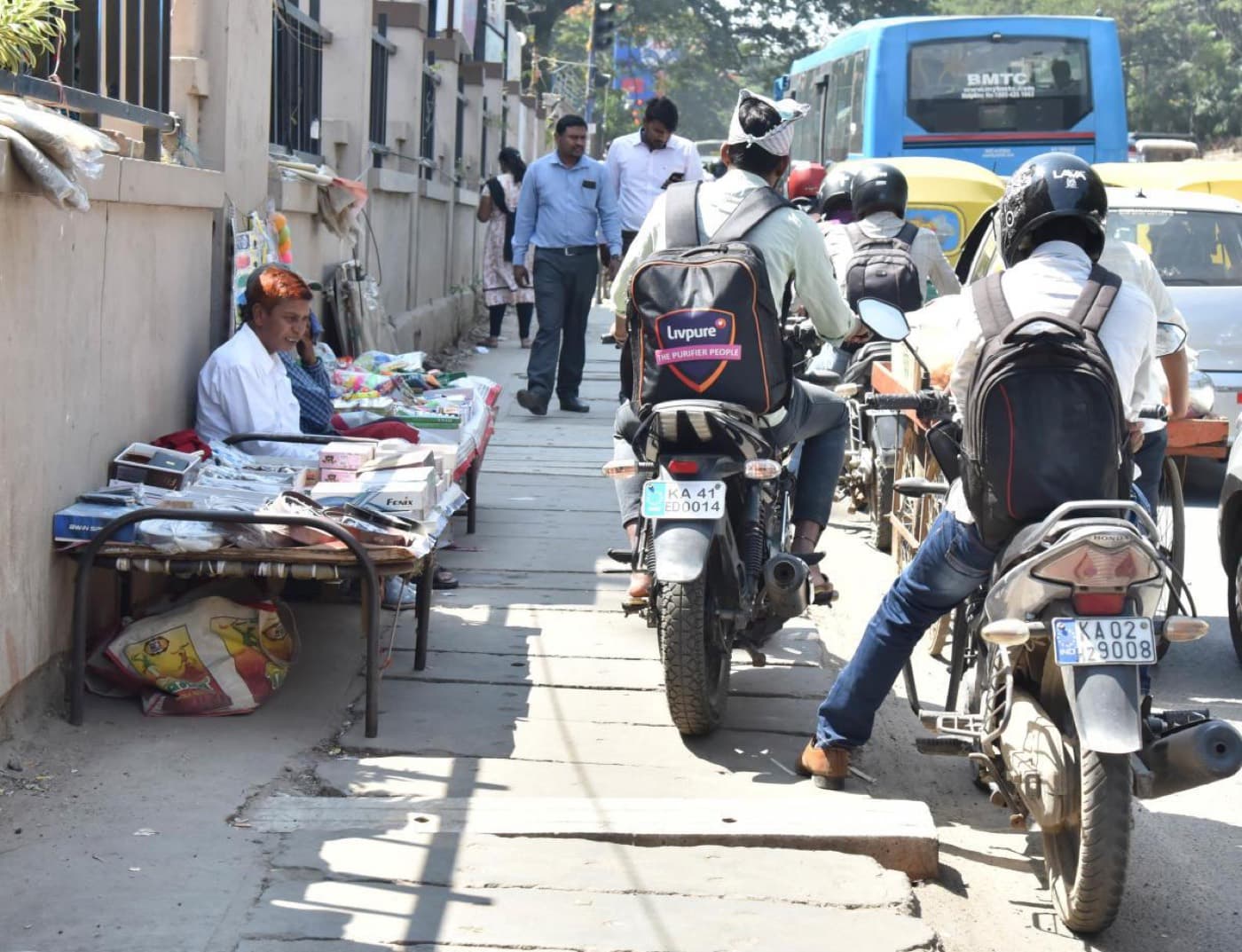
Not every obstruction has the same impact.
A few construction materials placed temporarily on a wide footpath may leave sufficient space for pedestrians. The same obstruction on a narrow sidewalk can force people onto the road.
The real issue is therefore not simply whether something is occupying a footpath, but whether people can still use the space safely and continuously.
Several factors matter:
How much usable walking space remains?
Can pedestrians pass without entering the road?
Are ramps and crossings accessible?
Does the obstruction create additional risk near junctions or busy roads?
Is the obstruction temporary, or has it become a permanent feature?
These details provide a more useful picture than simply counting the number of blocked footpaths.
Everyone Has a Part to Play
Better footpaths are not created only through new construction.
They also depend on how existing public space is respected and maintained.
Citizens can avoid parking or placing objects on pedestrian routes and report persistent obstructions.
Businesses and property owners can keep entrances, merchandise, signage, and other activities within their designated spaces.
Contractors can manage construction materials responsibly and restore pedestrian areas after completing work.
Authorities can establish clear standards, monitor recurring problems, and ensure that public pathways remain usable.
This shared responsibility does not remove the role of government. Instead, it recognizes that public infrastructure works best when the people who use it and the people who manage it both protect its intended purpose.
A Walkable Street Is a Working Street
Walkability is not simply about having a paved strip beside a road.
It is about whether that space remains continuous, accessible, safe, and usable in everyday life.
A footpath should not become a storage area simply because there is nowhere else to place construction material. It should not become parking because road space is limited. And it should not become an extension of private activity at the expense of public access.
The measure of a successful footpath is ultimately straightforward:
Can people use it for its intended purpose?
Protecting that basic function is a shared responsibility, and an important part of building streets that work for everyone.
Written as civic argument, not as a report of any specific incident. Photographs are illustrative.
What gets measured gets fixed
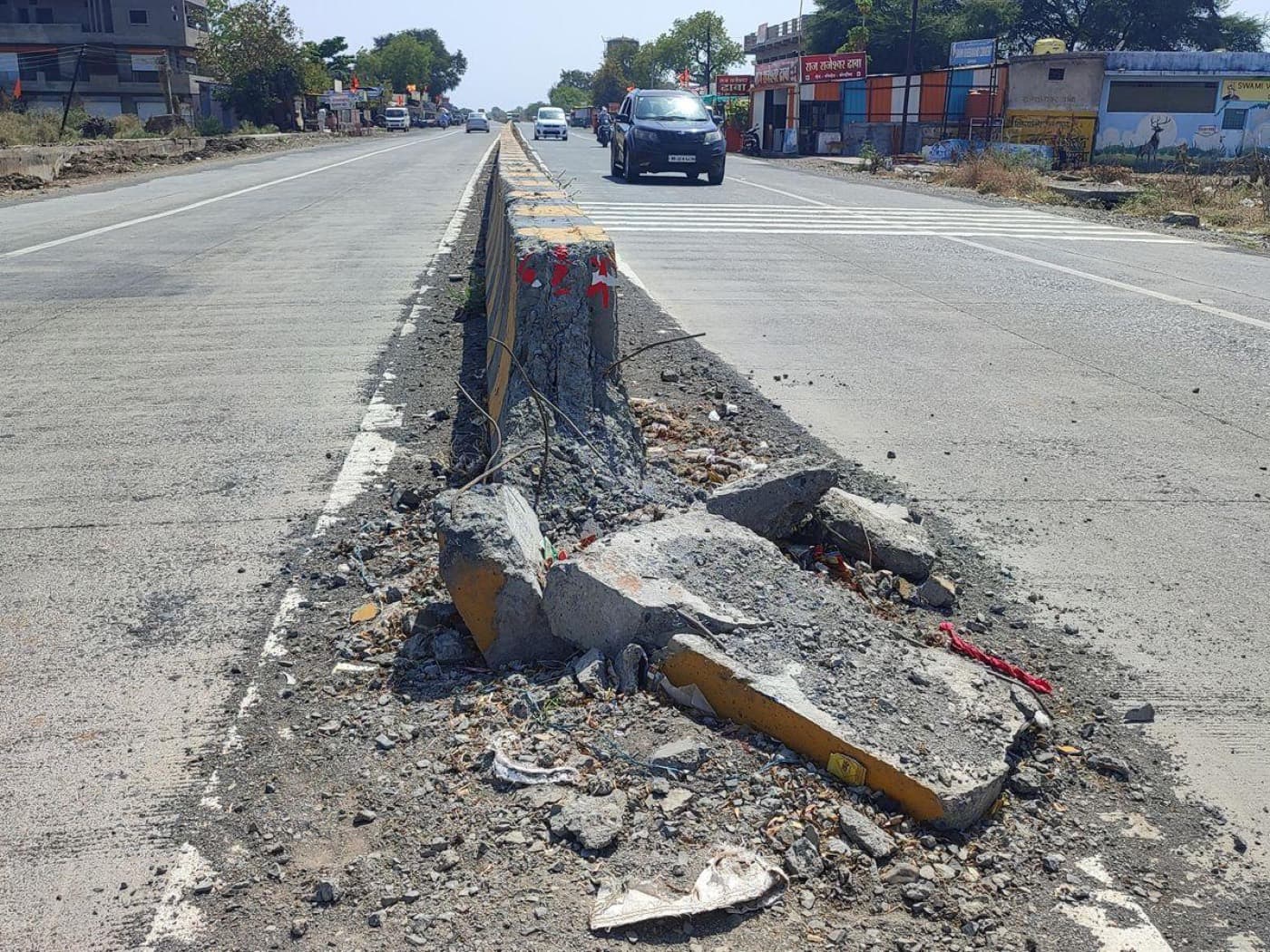
Civic Sense AI finds garbage, potholes, construction debris and broken footpaths from a vehicle covering the ward, and attaches a photograph, a coordinate and a time to every one of them.
See how it worksRead next


Subscribe to the Dense Tensor blog
New writing on civic monitoring and product updates, in your inbox.
We use your address only to send the blog. Unsubscribe whenever.
Like this post? Come and build with us.
Dense Tensor builds computer vision that turns what a camera sees into evidence a team can act on.
See open rolesAny feedback or questions?
We would like to hear from you about the writing or about the product.