- Civic data
- Accountability
- Infrastructure
From Civic Complaints to Public Understanding: Why Context Matters
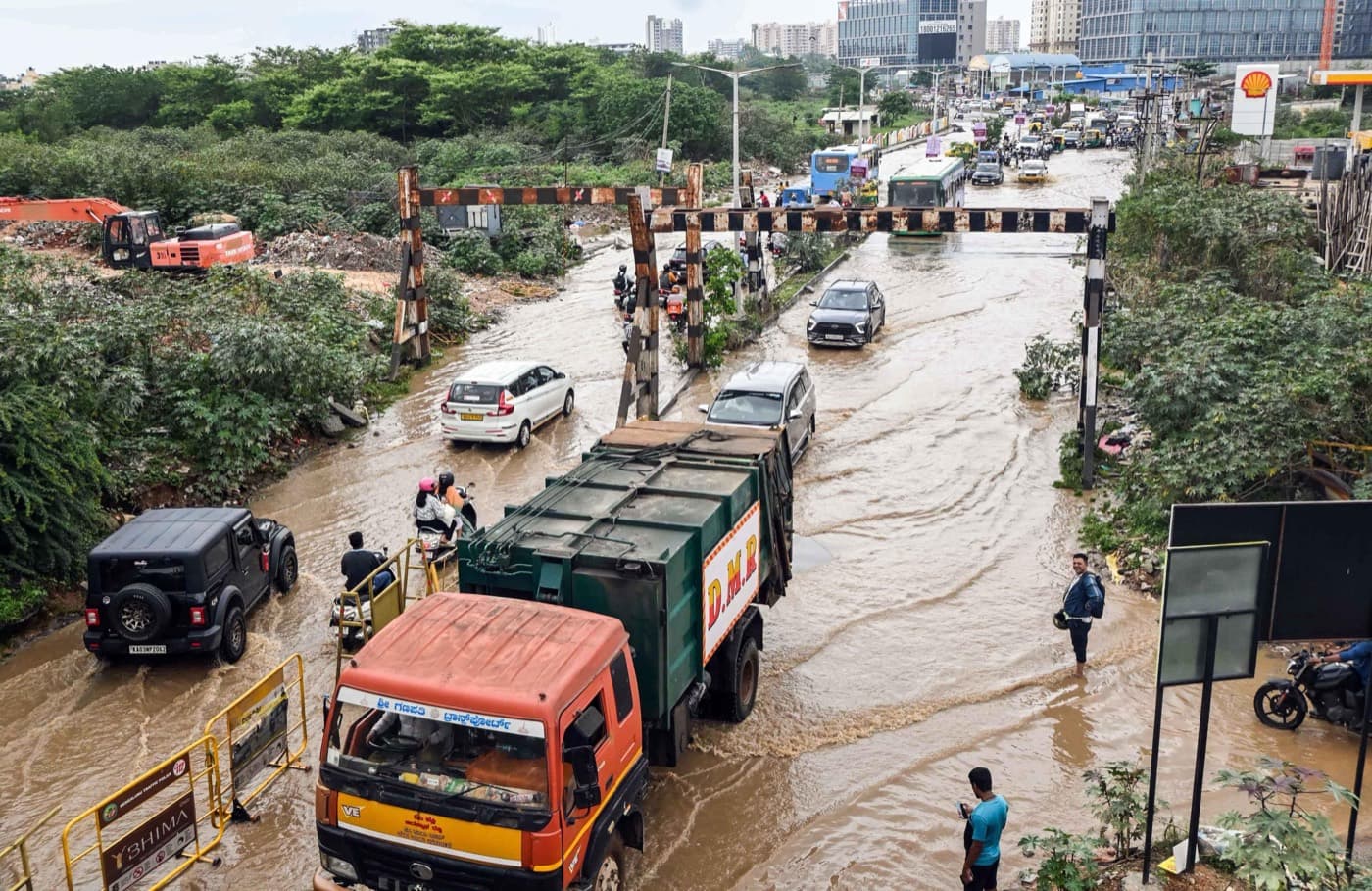
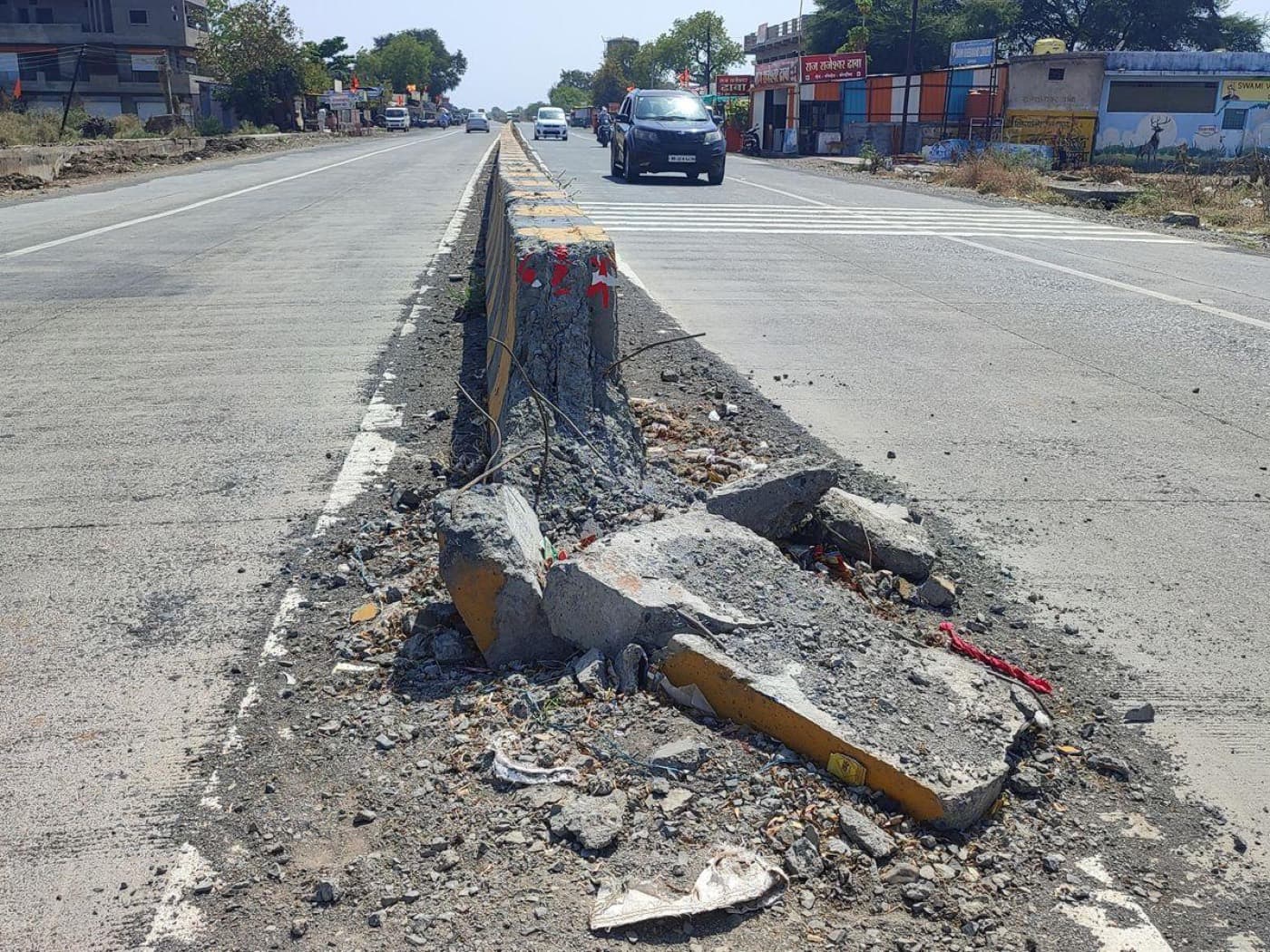
A collapsed drain, a mountain of uncollected waste, or a severely damaged road often prompts a citizen to file a civic complaint. This digital report is a vital pulse-check for the city, but it is inherently limited.
An individual complaint captures a single geographic coordinate at a single moment in time. It rarely contains the historical context of how long the issue has persisted, whether previous repairs failed, or what systemic failure caused the issue in the first place.
The Lifecycle of an Observation
To manage a city effectively, we must distinguish between raw data and verified resolution. The lifecycle includes:
- An issue reported by a citizen.
- An issue technically validated by an inspector.
- A work order generated and assigned to a contractor.
- A repair executed on-site.
- A resolution independently verified for quality.
Context Transforms Data into Intelligence
Treating all complaints as equal creates operational noise. A report of a flooded road in a newly developed tech corridor requires a different engineering response than a flooded alley in a heritage neighborhood.
The goal of modern urban management isn't just to close tickets faster; it's to aggregate those tickets to uncover systemic failures. A citizen's report brings an issue into the light. Context, analysis, and follow-through are what actually solve it.
Written as civic argument, not as a report of any specific incident. Photographs are illustrative.
What gets measured gets fixed
Civic Sense AI finds garbage, potholes, construction debris and broken footpaths from a vehicle covering the ward, and attaches a photograph, a coordinate and a time to every one of them.
See how it worksRead next


Subscribe to the Dense Tensor blog
New writing on civic monitoring and product updates, in your inbox.
We use your address only to send the blog. Unsubscribe whenever.
Like this post? Come and build with us.
Dense Tensor builds computer vision that turns what a camera sees into evidence a team can act on.
See open rolesAny feedback or questions?
We would like to hear from you about the writing or about the product.