- Debris
- Bengaluru
- Accountability
Construction Debris on Bengaluru Roads: The Hidden Cost of Unfinished Cleanup

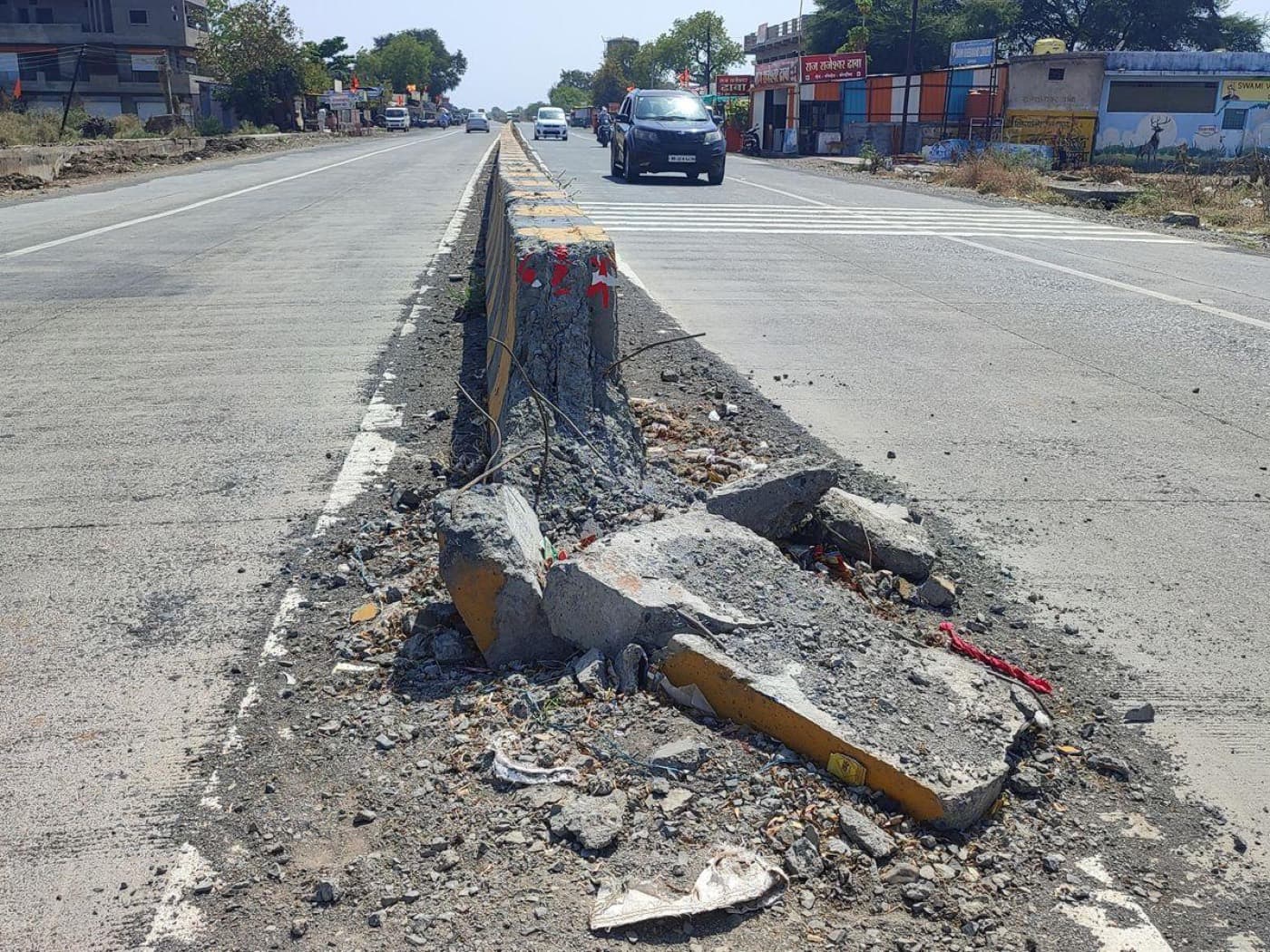
A growing city is a city perpetually under construction. Roads are widened, infrastructure is upgraded, and neighborhoods rapidly evolve. But when construction activity leaves behind piles of rubble, bricks, sand, and broken concrete, the consequences extend far beyond the project itself.
Construction debris left on public roads is not simply an aesthetic issue. It alters how people move, dictates how road space is utilized, and muddies the waters of civic responsibility when obstructions remain unresolved. In Bengaluru, where rapid development intersects with the daily movement of millions, the management of construction and demolition waste demands a more rigorous approach.
When Sites Spill into Public Space
A construction project inherently requires materials to be delivered, stored, and eventually removed. However, public-space impacts occur when debris spills into areas intended for traffic, pedestrians, or drainage.
To evaluate these impacts, we must ask:
India possesses a clear regulatory framework for this, governed by the Central Pollution Control Board’s Construction & Demolition Waste Management Rules. Yet, bridging the gap between policy and on-ground execution remains a challenge.
- Is the material stored in an authorized, safe location?
- Who holds the mandate for removing debris post-construction?
- What is the protocol when a site is abandoned with unfinished cleanup?
- How is the restoration of the public space documented and verified?
The Accountability Question
A single public road can be impacted by multiple overlapping activities and contractors. Without transparent, continuous records, it becomes nearly impossible to track whether a debris pile is part of active work or simply illegal dumping.
This raises a foundational urban management question: How can we track public-space issues consistently enough that accountability doesn't rely entirely on repeated citizen complaints?
Construction debris management must be integrated into the broader conversation about urban cleanliness and responsible development. When a project alters a public space, the restoration of that space deserves as much attention as the construction itself.
Written as civic argument, not as a report of any specific incident. Photographs are illustrative.
What gets measured gets fixed
Civic Sense AI finds garbage, potholes, construction debris and broken footpaths from a vehicle covering the ward, and attaches a photograph, a coordinate and a time to every one of them.
See how it worksRead next


Subscribe to the Dense Tensor blog
New writing on civic monitoring and product updates, in your inbox.
We use your address only to send the blog. Unsubscribe whenever.
Like this post? Come and build with us.
Dense Tensor builds computer vision that turns what a camera sees into evidence a team can act on.
See open rolesAny feedback or questions?
We would like to hear from you about the writing or about the product.