- Smart cities
- Civic data
Smart Cities Beyond Technology: What Does It Mean to Understand Urban Problems?
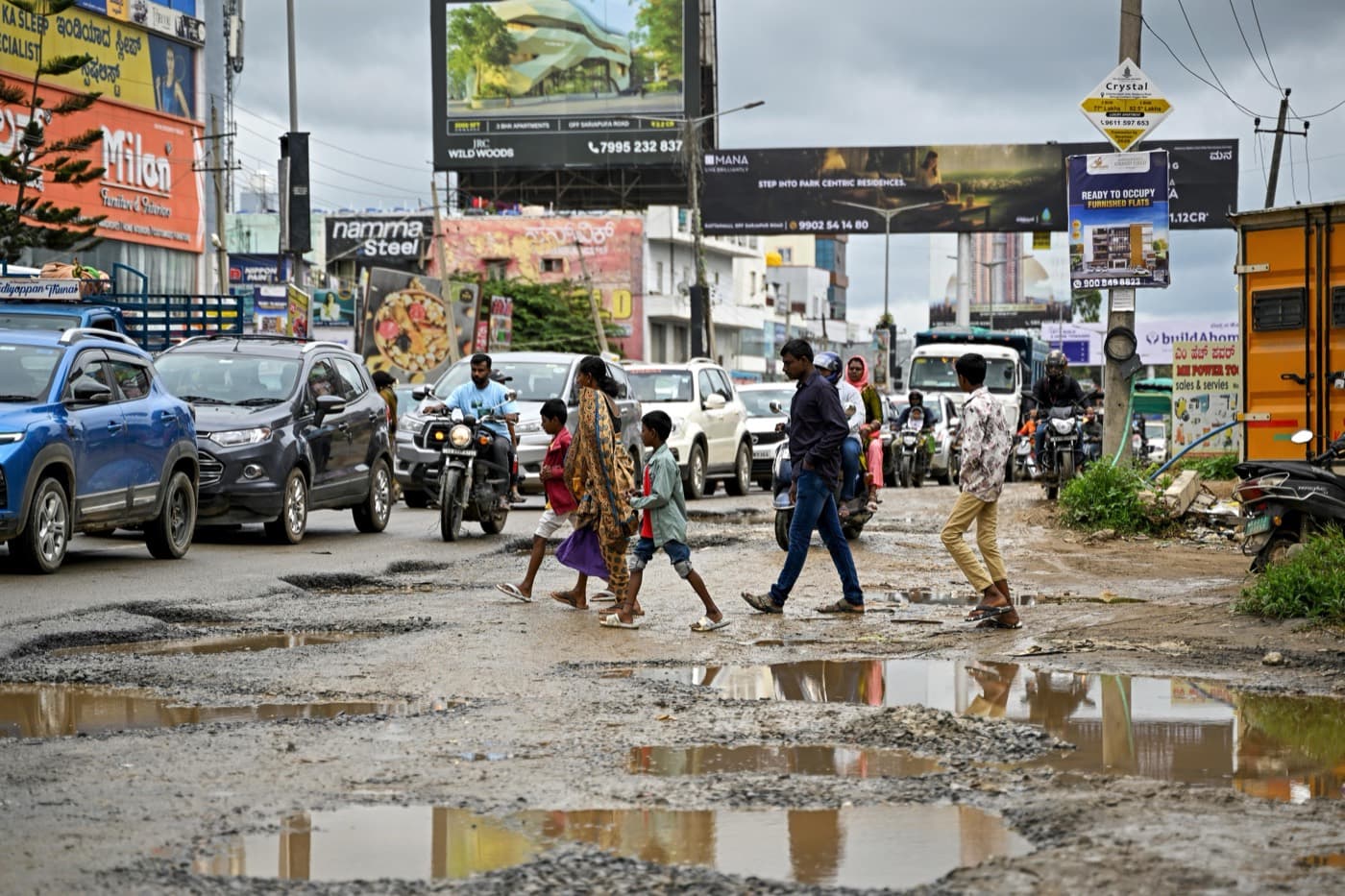
A city can have AI-powered command centres, thousands of sensors, and multiple apps to fix this and still struggle with a pothole that has gone unrepaired for months.
That raises a bigger question:
Does having more technology make a city smarter, or does using technology to solve real urban problems?
For citizens, the definition is much simpler. It is the road they travel, the footpath they walk on, the waste they see, and the services they depend on every day.
Technology matters when it helps cities respond to these realities.
Technology Is a Tool, Not the Goal
Consider potholes. A city may receive thousands of road complaints, while information remains spread across departments, contractors, spreadsheets, and complaint systems. Without a connected view, important patterns can easily be missed.
Civic technology can bring these sources together to show where problems occur, how often they return, how long they remain unresolved, and where resources may be needed most.
This changes the role of technology from simply recording events to supporting better municipal decisions.
From Digital Records to Real-World Outcomes
There is often a gap between what a digital system reports and what citizens experience on the street.
A complaint may be marked “closed,” but is the pothole actually repaired? Has the garbage been removed completely? Is the footpath accessible again?
These questions highlight an important principle: smart-city systems should measure outcomes, not just activity.
Citizen experiences can also become an important source of urban data. People encounter damaged roads, waste accumulation, waterlogging, and unsafe infrastructure as part of their daily routines.
When these observations are combined with municipal records and field data, cities can build a more complete picture of infrastructure conditions and service delivery.
What Should a Smart City Really Mean?
The next generation of urban innovation should focus less on how much technology a city has and more on what that technology helps it accomplish.
AI, computer vision, IoT, GIS, and analytics can help cities detect patterns, support planning, monitor infrastructure, and measure results.
But the real test is not the number of sensors deployed or dashboards created.
It is whether technology helps a city deliver better streets, cleaner public spaces, safer infrastructure, and more responsive civic services.
The next step is clear: start with the problem, collect reliable evidence, connect it to municipal action, and measure what changes.
When cities follow that cycle consistently, technology becomes more than a digital layer, it becomes a practical tool for improving everyday urban life.
The future of smart cities is not about adding more technology. It is about using better information to take better action.
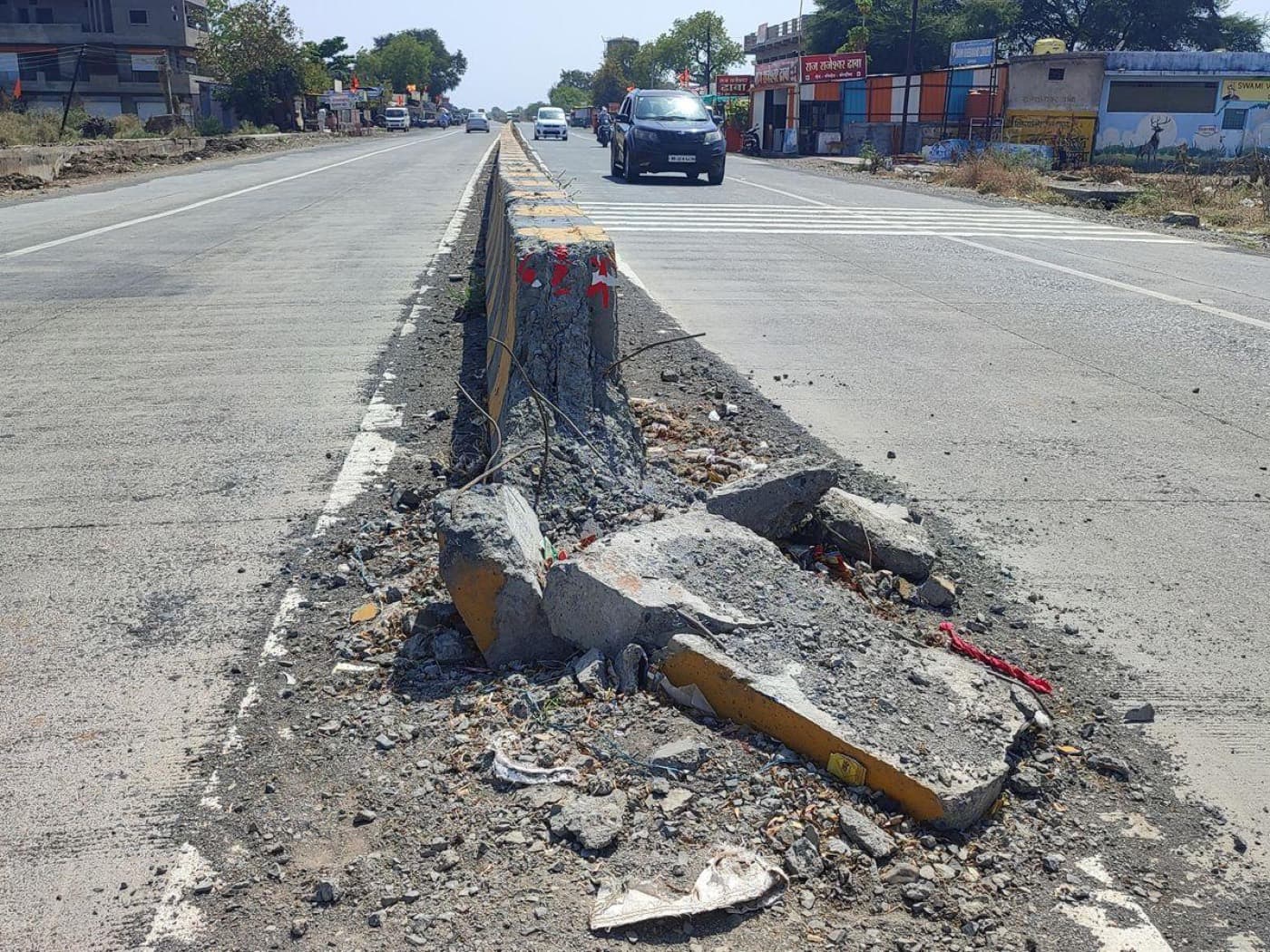
Written as civic argument, not as a report of any specific incident. Photographs are illustrative.
What gets measured gets fixed
Civic Sense AI finds garbage, potholes, construction debris and broken footpaths from a vehicle covering the ward, and attaches a photograph, a coordinate and a time to every one of them.
See how it worksRead next


Subscribe to the Dense Tensor blog
New writing on civic monitoring and product updates, in your inbox.
We use your address only to send the blog. Unsubscribe whenever.
Like this post? Come and build with us.
Dense Tensor builds computer vision that turns what a camera sees into evidence a team can act on.
See open rolesAny feedback or questions?
We would like to hear from you about the writing or about the product.